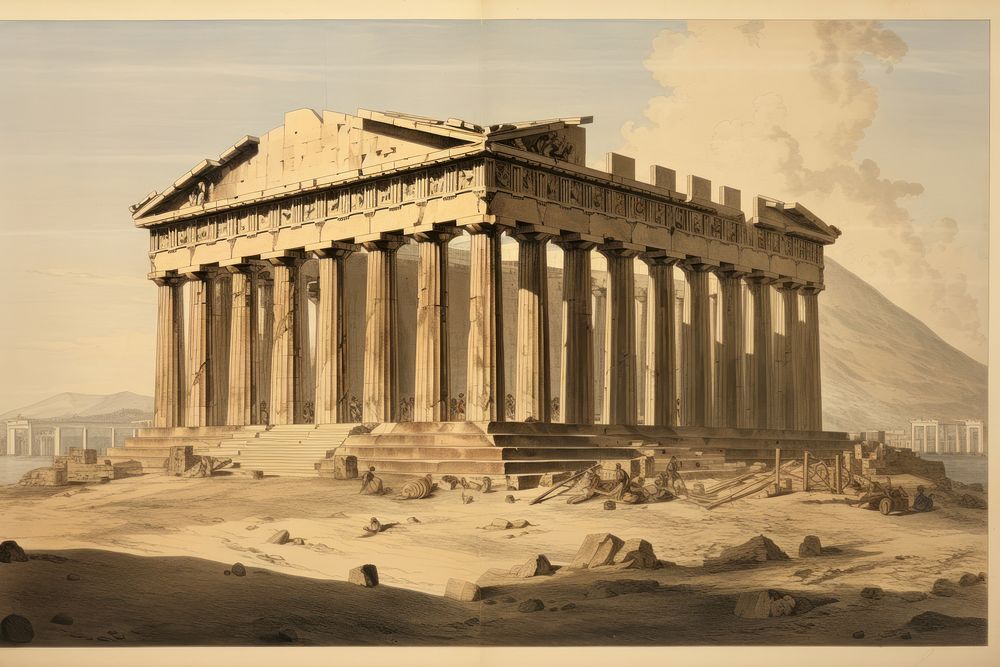
Unskilled labourers also had key roles in the building of the parthenon. · the construction of the parthenon incorporated several advanced engineering techniques that ensured its durability and aesthetic perfection. · directed by the athenian statesman pericles, constructing the parthenon was the work of the architects ictinus and callicrates under the supervision of t he sculptor phidias. · this article aims to explore the intricate architectural techniques that contributed to the creation of the parthenon , shedding light on the innovative methods employed by its builders and the cultural context that shaped its design. · the classical parthenon visible today was constructed between 447-432 bce as the focal point of the acropolis building complex by the architects iktinos and kallikrates (vitruvius also names karpion as an architect). In all, construction took just nine years. · the parthenon was apparently completed by 438 b. c. , when a massive gold-and-ivory statue of athena parthenos was installed inside. The architects, ictinus and callicrates, designed the structure using a combination of optical refinements and precise mathematical ratios. Other craftsmen were necessary for the building of the parthenon , specifically carpenters and metalworkers. · the magnificent temple on the acropolis of athens, known as the parthenon , was built between 447 and 432 bce in the age of pericles, and it was dedicated to the citys patron deity athena parthenos.