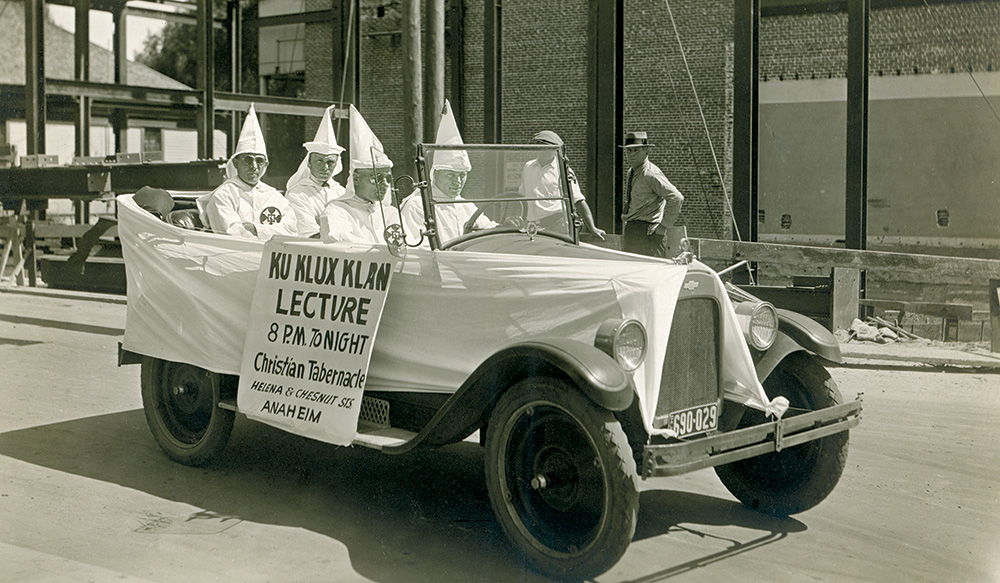
Members made their own, often colorful, costumes: robes, masks and pointed hats, designed to be terrifying and to hide their identities. The second iteration of the Klan originated in the late 1910s, and was the first to use cross burnings and standardized white-hooded robes. They may have a flag with that emblem, but for the most part there are three flags used: United States, Christian, and Confederate. The original flag of the Ku KluxKlan is on display in the Tennessee state house in Nashville. The organization was founded after the War Between The States in 1866. Discover the history and symbolism of the Ku Klux Klan flag, a racist emblem representing white supremacy, hate groups, and extremist ideologies, exploring its origins, meaning, and impact on American culture and society. English: Flag of the Ku KluxKlan. This media file is in the public domain in the United States. This applies to U.S. works where the copyright has expired, often because its first publication occurred prior to , and if not then due to lack of notice or renewal. See this page for further explanation. The flag depicts a winged dragon below the Latin motto, "Quod Semper, Quod Ubique, Quod Abomnibus" which translated means: what always, what everywhere, what by all (is held to be true). This flag is a document of the early Ku KluxKlan active during Reconstruction. Learn about the history and symbolism of the Ku KluxKlanflag. Explore its origins, meaning, and impact on society in this detailed analysis The flag on the right is widely displayed within Klan organizations. The circular insignia in the center of the flag is known as a “MIOAK,” which stands for The Mystic Insignia of a Klansman.