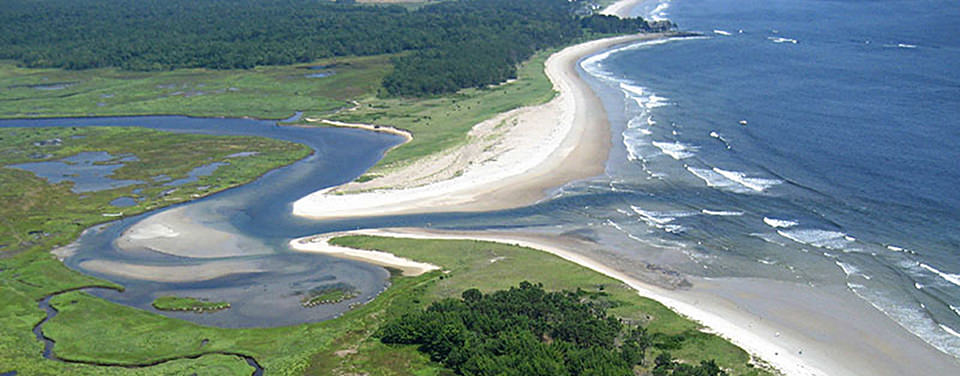
Estuaries are dynamic coastal ecosystems shaped by the interaction of riverine and marine processes. The mixing of freshwater inflows with oceanic waters creates constantly changing physical and chemical conditions that influence habitat structure, nutrient availability, and biological productivity. An estuary is a place where fresh and saltwater mix, creating a unique habitat for plants and animals. Learn about the different types of estuaries, their ecosystem services, and how NOAA protects them through the National Estuarine Research Reserve System. · An estuary is an area where a freshwater river or stream meets the ocean, creating brackish water. Learn about the types, features, and ecosystems of estuaries, and see examples from around the world. · The term estuary is derived from the Latin words aestus (“the tide”) and aestuo (“boil”), indicating the effect generated when tidal flow and river flow meet. Estuaries are places where rivers meet the sea and may be defined as areas where salt water is measurably diluted with fresh water. View all What is an estuary? An estuary is a partially enclosed body of water formed by the mixing of two distinct bodies of water, usually saltwater and freshwater. Freshwater is often prevented from flowing into the open ocean by land masses such as peninsulas, islands, or surrounding salt marshes. · Estuaries are not simply rivers flowing into the ocean; they are complex ecosystems shaped by the interaction of freshwater, saltwater, sediment, and biological activity. They are transitional zones, constantly changing with tides, river flows, and seasonal variations. What is an estuary? An estuary is a partially enclosed body of water formed by the mixing of two distinct bodies of water, usually saltwater and freshwater. Freshwater is often prevented from flowing into the open ocean by land masses such as peninsulas, islands, or surrounding salt marshes. Estuaries are found around the world, offering productive habitat to thousands of species of birds, mammals, fish, and other wildlife. Generally speaking, anestuary is anywhere that a river meets the ocean, typically seen as a place of mixing between fresh and saltwater—though not always! Waterways That Make Up the Estuario de la Bahía de San Juan. The estuary consists of a system of rivers, canals, and lagoons that extend to the coast. On one side, the San Juan Bay connects the Caño Martín Peña with the San José Lagoon and the Los Corozos Lagoon. WhatIsAnEstuary? Anestuaryisa place along the coast where both fresh and salt water meet. Typically, estuaries occur where the river meets the sea and are partially enclosed. Anestuaryisa coastal area where saltwater from the ocean mixes with freshwater from rivers, rainfall, and upland runoff. Within the estuary, salt and fresh water proportions differ daily depending on the season, weather, and tides. NOAA Fisheries: Estuary Habitat Conservation. Tides and Salinity - Estuaries are dynamic places where tides constantly shift water levels and a salinity gradient - from fresh to salty - affects which organisms can thrive where. · Estuaries are not simply rivers flowing into the ocean; they are complex ecosystems shaped by the interaction of freshwater, saltwater, sediment, and biological activity. They are transitional zones, constantly changing with tides, river flows, and seasonal variations. · Video: What's an Estuary? An estuary is a partially enclosed, coastal water body where freshwater from rivers and streams mixes with salt water from the ocean. Estuaries, and their surrounding lands, are places of transition from land to sea. Estuaries are places on the earth where rivers meet oceans. When rain and snowmelt drain off the land, the fresh water collects in streams and rivers and eventually makes its way to the ocean. At the same time, the ocean has tides that push salty water upstream into the rivers.